Crush
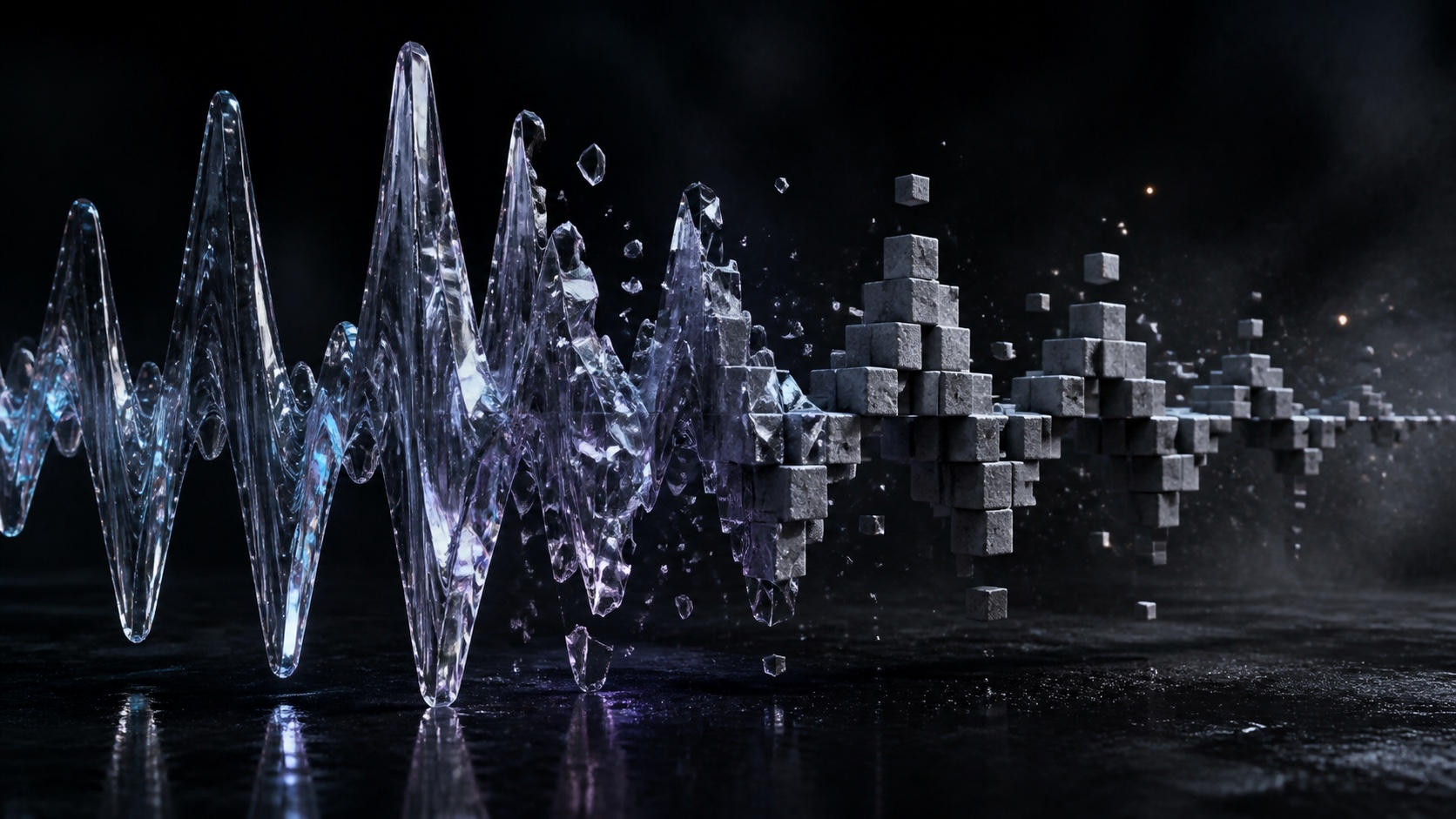
Bit reduction and sample-rate reduction for digital grit.
PreviewNot built for macOS, Windows or Linux
A compressor with visible gain reduction.
Engine preview
Not built for macOS, Windows or Linux
Compressor and limiter with declared detector, knee, and zero-added-latency semantics - and gain-reduction metering you can actually read.
Every row below is a recorded build row or the recorded absence of one. Nothing here is inferred from what this module is meant to support.
| Format | Result | Download |
|---|---|---|
| Browser package (JS) | Not built by this module's lane this module has no release.json; its packager lane records no browser program rows | Not built for the browser |
| Browser package (WASM) | Not built by this module's lane this module has no release.json; its packager lane records no browser program rows | Not built for the browser |
| VST3 | Not built no recorded artifact row for vst3; native-lane-report.json is absent or records no vst3 row for this module | Not built for macOS, Windows or Linux |
| Audio Unit | Not built no recorded artifact row for au; native-lane-report.json is absent or records no au row for this module | Not built for macOS |
| CLAP | Not built no recorded artifact row for clap; native-lane-report.json is absent or records no clap row for this module | Not built for macOS, Windows or Linux |
| Standalone app | Not built no recorded artifact row for standalone; native-lane-report.json is absent or records no standalone row for this module | Not built for macOS, Windows or Linux |
Parity
No lane recorded an artifact; there is no parity evidence.
Start from a named sound, then adjust the instrument to make it yours.
The exact normalized graph packaged for the shared browser/native runtime and exports.
Threshold, ratio and knee describe a static transfer curve: input level in, output level out. Below the threshold the signal passes untouched, above it every dB of overshoot is divided by the ratio, and the knee is the dB-wide zone where the ratio eases in instead of switching on. The panel plots exactly that curve, so it reads correctly before a single sample has played.
Attack and release are the detector, and they are what the curve cannot show: the curve is where the compressor is heading, the attack and release are how fast it gets there. That is why the panel's live meter and its computed bars disagree on a transient - the bars are the destination, the meter is the current position.
The canonical graph is feed-forward: its detector reads the current sample, there is no lookahead buffer, and the graph adds zero frames of latency. Makeup gain is fixed at 0 dB rather than exposed as a hidden or speculative control; the dry and wet gains are explicit graph nodes around the compressor. The browser preview is not used as evidence for the compiled latency claim.